Issyk-Kul is not just a lake. It is a living history of Central Asia, keeping millennia of secrets on its bed. Every time our yacht goes out, we sail above the ruins of ancient cities and caravan routes. Let us take a journey through time.
Ancient Times: Lake of the Saka and Wusun
The first settlements on Issyk-Kul shores date to the 2nd millennium BC. Saka tribes, known as "tigers of the steppe", left petroglyphs and burial mounds along the shores. In the 1st century BC, the Wusun people settled here — a nomadic nation described in Chinese chronicles. Their capital Chigu may have stood on the lakeshore before being flooded.
The Great Silk Road
In the 7th-12th centuries, Issyk-Kul became a vital link on the Great Silk Road. Caravanserais lined the shores where merchants from China, Persia, and Byzantium traded silk, spices, and gems. Archaeologists discovered ruins of a medieval city on the lake bed — building foundations, ceramics, and coins. This "Kyrgyz Atlantis" is still being studied.
Legend of the Sunken City
The most famous legend says the city of Chigu, capital of the Wusun kingdom, rests on Issyk-Kul bottom. A cruel khan built a palace on an island, but the water rose and swallowed it with all its treasures. Underwater expeditions found ruins at 5-7 meters depth near the northern shore.
Soviet Era: Closed Resort
During Soviet times, Issyk-Kul became an elite resort with military sanatoriums and a USSR Navy torpedo testing base — which is why the lake was closed to foreigners until 1991. Cholpon-Ata became the main resort town.
New Era: 21st Century Water Tourism
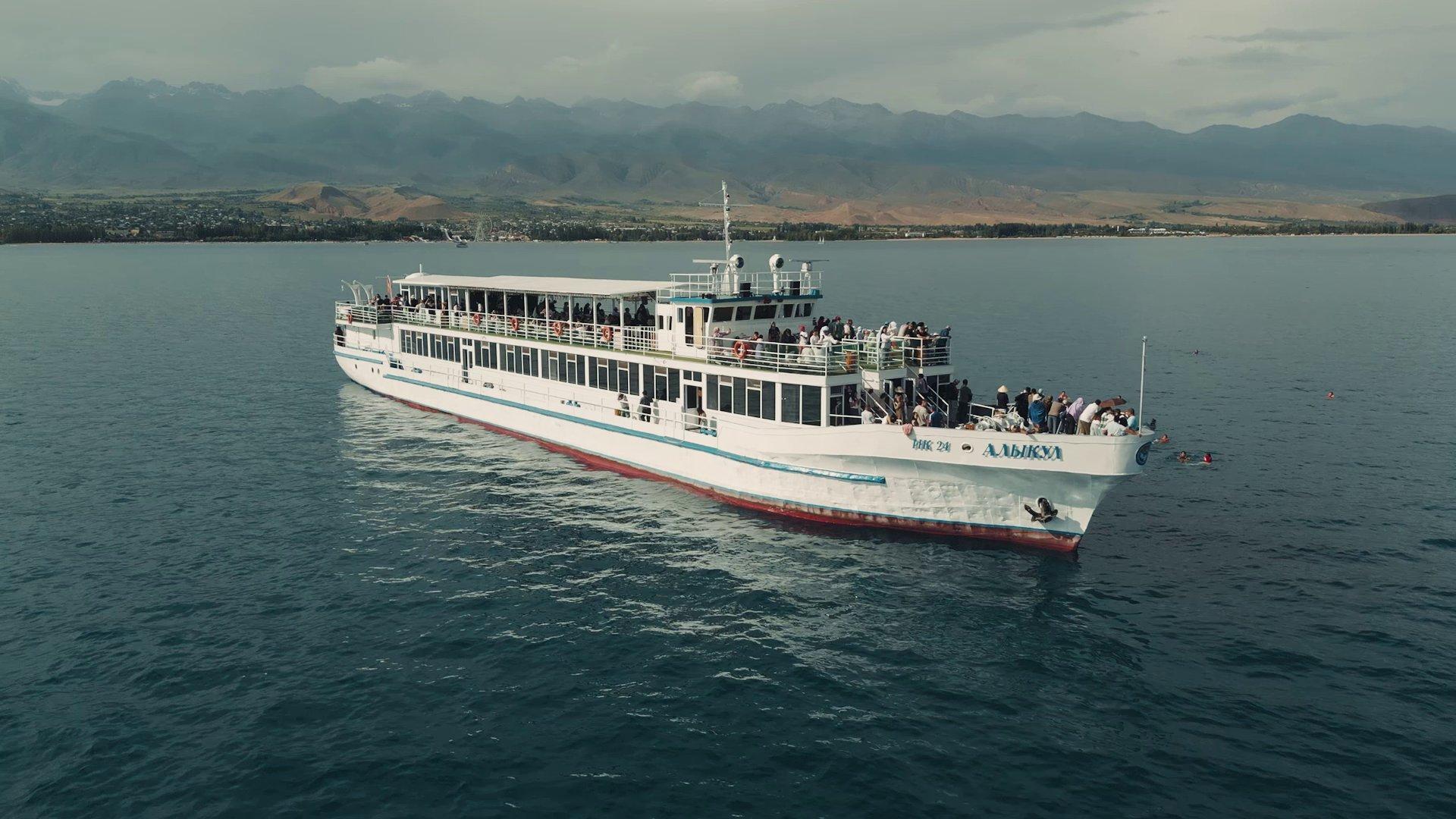
After Kyrgyzstan gained independence in 1991, the lake opened to the world. Today Issyk-Kul is the country main tourist gem. Yacht tourism began developing in the 2010s, and Alykul became one of the pioneers. We believe the lake future is sustainable ecotourism.
When you sail on Issyk-Kul, remember: beneath you lie thousands of years of history. Every wave carries echoes of caravans, empires, and legends.